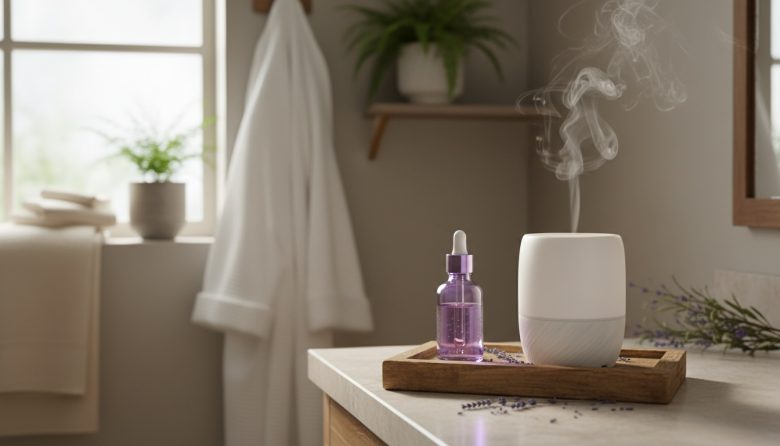
I remember a week last spring when everything felt a little too fast—work deadlines stacking up, family pulling in every direction. One evening, after the kids were asleep, I reached for a small bottle of lavender oil I’d tucked away. Just a drop on my pillow, and something softened. The scent wrapped around me like a quiet hug, easing the day’s edges without any effort.
Essential oils have become my gentle companions for those moments. They don’t demand attention; they simply support. In this space, we’ll walk slowly through choosing calming ones—tuning into your senses, exploring scent families, meeting a few favorites, checking qualities, simple steps to select, testing at home, and soft blending ideas.
Take your time here. Let one idea settle before the next. Your calm deserves this unhurried path.
Listening to What Your Senses Crave
Start close to home: your own body and moods. Notice what pulls you from ease—a tight chest in the afternoon, or restless evenings when thoughts swirl.
I once tracked my days in a quiet journaling routine for end-of-day reflection. It revealed patterns: citrus brightened my mornings, while earthier notes grounded long afternoons. Your senses whisper what they need.
Pay attention to triggers like crowded spaces or screen fatigue. Does your neck hold tension? Do shallow breaths signal stress? These clues guide you toward oils that settle exactly there.
One rainy afternoon, I felt that familiar fog. A whiff of something soft cleared it gently. Listen like this, and choosing feels natural.
Soft Scent Families for Everyday Ease
Floral scents often bring a nurturing warmth. Think chamomile, like a cozy blanket on a cool evening.
Woody families ground you steadily. Cedarwood, for instance, roots you like walking barefoot on forest earth.
Citrus offers a light lift. Bergamot softens brightness without sharpness, easing midday tension.
Each family holds space for different days. No need to pick one forever—let them rotate softly.
Herbals like lavender bridge them all, familiar and forgiving.
Oils That Gently Hold Your Quiet Moments
Lavender leads for me, a staple in every season. Its subtle floral note eases sleep and soothes frazzled nerves after a full day.
Frankincense deepens breath, perfect for meditative pauses. I turn to it in winter, when quiet feels sacred.
Bergamot lifts without overwhelming, ideal for anxious mornings. A hint of citrus-floral settles my mind before tasks begin.
Ylang ylang unwinds heart tension, floral and sweet. Summer evenings call for it, blending with open windows.
Vetiver anchors deep calm, earthy and smoky. Fall walks pair naturally with its grounding pull.
These aren’t rules—just friends I’ve met along the way. Each holds a quiet strength for certain moments.
Qualities That Let Oils Support You Kindly
Pure oils come from careful sources, often marked organic or wildcrafted. They feel alive in the bottle, not synthetic.
Clear glass protects the essence from light. I learned this when a faded-label oil lost its spark—now I check for amber or dark bottles first.
Labels share simple truths: Latin names, origin country, extraction method. No long additive lists.
Here’s a gentle checklist to feel in your hand:
- Does the scent bloom slowly, not hit sharply?
- Is the bottle cool and full-colored glass?
- Does the name match pure plant, like “Lavandula angustifolia”?
- Trusted maker with clear story?
These checks build quiet confidence. No perfection needed—just steady support.
Your Gentle Steps to Choose
These four steps unfold naturally, like a short walk.
- Pause and note your calm needs. Sit quietly for five minutes. Jot what eases you—sleep, focus, or simple presence? My tip: Pair this with a breathwork routine for midday calm to sharpen what you crave.
- Sample scents mindfully. Visit a shop or order small testers. Inhale slowly, one at a time, letting each settle for a minute. I close my eyes and picture my day—does it fit?
- Check quality softly. Hold the bottle to light, read the label, sniff for true depth. Trust your nose; it knows synthetic from soulful.
- Start with one in your day. Dilute a drop in carrier oil, rub on wrists. Notice over hours—no rush to decide. My winter ritual: Vetiver on pulse points before tea.
Each step builds on the last, small and kind.
Testing Oils in Your Own Gentle Rhythm
At home, uncap and hover near your nose—don’t touch skin yet. Let the aroma drift for 30 seconds.
For skin, dilute one drop in a teaspoon of jojoba or sweet almond oil. Dab on inner wrist, wait 24 hours for sensitivity.
If it feels off, set it aside kindly. Not every oil matches every day. Adjust, try again tomorrow.
Your rhythm sets the pace—gentle sniffing leads to true fits.
Blending a Whisper of Calm Just for You
For sleep, lavender with a touch of cedarwood grounds dreams softly.
Anxiety eases with bergamot and ylang ylang—one drop each in a diffuser or roller.
Start tiny: Two drops total in carrier oil. Swirl, sniff, adjust next time.
These whispers invite play. Note what softens you most.
Enhance your space with 5 plants to bring calm to your space alongside—scents and green mingle beautifully.
Frequently Asked Questions
Are essential oils safe for daily use?
Yes, when diluted properly and used with awareness, they support most days without strain. Always mix with a carrier like jojoba, aiming for 1-2% dilution—one or two drops per teaspoon. Listen to your body; if anything feels off, pause and simplify. This gentle approach keeps them as soft allies over time.
How do I spot a good-quality oil?
Seek bottles in dark glass, with full botanical names and origin details on the label. Pure oils release scent gradually, rich and layered, not fleeting or chemical-sharp. Trusted small-batch makers often share harvest stories—feel for that transparency. Your senses confirm what words suggest.
What if my skin feels sensitive?
Dilute further, starting with half a drop per teaspoon of carrier, and patch-test on your inner arm for 24 hours. Some skins prefer roller bottles for even spread. Herbal tea or a cool cloth soothes if needed—your body leads kindly back to ease.
Which oil helps most with bedtime calm?
Lavender often settles most into rest, its familiar softness signaling unwind. Yet frankincense deepens breath for some, or vetiver roots wandering thoughts. Test a few evenings; the one that quiets your unique night wins. Pair with dim lights for fuller peace.
Can I mix oils for my mood?
Gently yes—begin with two oils, one drop each in a carrier base. Lavender-bergamot lifts soft mornings; ylang ylang-cedarwood holds evening hush. Track in a notebook what shifts your mood best. Small experiments reveal personal blends over time.
Pick one oil this week.
Breathe it in tomorrow morning, or whenever calm calls.
Be kind to your pace—small steps bloom into lasting quiet.