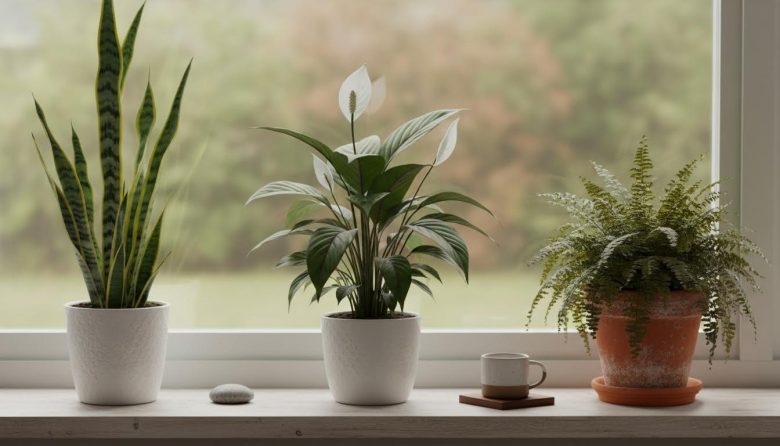
I remember a day last spring when restlessness clung to me like a heavy blanket. My mind raced through unfinished tasks, and the apartment felt stifling despite open windows. Then, I spotted a small lavender plant at the market—its soft purple buds whispering of quieter evenings.
Bringing it home changed everything. As I placed it by my bedside, its gentle scent began to soften the edges of my thoughts. Greenery like this doesn’t demand much; it simply settles into your space, purifying the air with quiet ease and inviting small pauses throughout the day.
Over time, that one plant led me to others, each offering its own calm gift. They teach us to breathe deeper, to notice the slow rhythm of growth. If your days feel a little hurried, these companions might help ease things in.
Let’s look at five that have supported my own calm. They’re forgiving for beginners and bring a natural hush to any room. As you explore ways like simple tips to boost home serenity, a touch of green weaves right in.
Calm Plant Companions at a Glance
| Plant Name | Light Needs | Watering Rhythm | Calming Gift | Ideal Spot |
|---|---|---|---|---|
| Lavender | Bright, indirect light | Let soil dry between gentle soaks | Soothing lavender scent for evenings | Bedside table or windowsill |
| Snake Plant | Low to bright indirect | Every 2-3 weeks, deeply | Oxygen boost at night for restful sleep | Bedroom corner or nightstand |
| Peace Lily | Low indirect light | When leaves softly droop | Humidity lift and subtle white blooms | Bathroom shelf or desk |
| Pothos | Low to medium indirect | Keep soil lightly moist | Trailing vines for effortless green calm | Hanging shelf or high windowsill |
| Boston Fern | Indirect, filtered light | Keep evenly moist, mist often | Lush fronds that humidify softly | Shaded nook or hanging basket |
Lavender’s Gentle Whisper in the Evening
One restless night, I tucked a lavender plant beside my bed. Its faint floral scent drifted up as I settled under the covers, easing my whirling thoughts into softness. By morning, sleep had come more easily than it had in weeks.
Lavender supports calm through its aroma, which studies suggest can quiet the mind before rest. It prefers bright, indirect light—think a sunny windowsill away from harsh rays. Water only when the top soil feels dry, about once a week in warmer months.
Place it where its whisper can reach you in the evening, like near your reading chair. Its silvery leaves add a quiet elegance without overwhelming the space.
To settle your lavender in:
- Choose a pot with drainage holes.
- Mix in a bit of sand for better flow.
- Snip faded blooms to encourage fresh ones.
These small steps invite its calm to unfold naturally. Over time, it becomes a ritual—brushing its leaves before bed, inhaling deeply.
Snake Plant’s Quiet Night Watch
Late nights at my desk used to leave me drained, the air thick and stale. Introducing a snake plant changed that; its upright leaves stood sentinel, releasing oxygen through the night for steadier breaths and deeper rest.
This resilient friend thrives in low light, making it perfect for dim corners. Water sparingly—every two to three weeks—allowing the soil to dry out completely between drinks. It’s forgiving if you forget, teaching patience in its sturdy way.
I keep mine in the bedroom corner, where it softens shadows without crowding. Its simple sword-like form brings a grounded presence, reminding me to pause amid busyness. Paired with evenings cleared through how to declutter one room easily, it amplifies the hush.
Watch how it settles your space into a watchful calm, steady as a slow breath.
Peace Lily’s Soft Droop of Reminder
In my busiest room, the office, a peace lily caught my eye one day—its glossy leaves drooping just enough to signal thirst. Watering it became a gentle reminder to care for myself amid the rush.
It loves low indirect light and higher humidity, easing dry air for smoother breathing. Blooms appear as soft white flags of peace when happy. Respond to its droop with a thorough soak, then let drain well.
A bathroom shelf suits it perfectly, where steam from showers keeps it content. Or try a desk edge for daily glances that invite a breath. Its forgiving nature builds quiet confidence—no perfection needed.
Over months, mine has bloomed reliably, softening the room’s energy with each unfurl.
Pothos’s Trailing Ease Everywhere
Hanging a pothos high on a shelf transformed my kitchen into a greener nook. Its vines trail lazily, catching light and drawing my eye to simple beauty during meal prep.
Versatile and air-purifying, it handles low to medium light with ease. Keep soil lightly moist, watering when the top inch dries. Trim trailing ends to encourage bushiness and propagate in water for more calm spots.
Anywhere goes—a high shelf, basket, or even email stand. It drapes without fuss, filtering toxins gently. This effortless grower invites calm movement, like watering while chatting on the phone.
Start with one cutting; watch it root and spread its easy peace.
Boston Fern’s Lush Breath of Forest
Misting my Boston fern each morning feels like bringing forest dew indoors. On humid days, its fronds perk up, filling the air with fresh, moist softness that eases tension.
It craves indirect light and consistent moisture—water when the top feels dry, and mist daily. Hang it in a shaded nook or on a stand near a window for that woodland vibe. Avoid direct sun to prevent crisp edges.
Near a north-facing window, it thrives, humidifying the space naturally. Its lush drape softens hard corners, inviting fingers to trace the feathers. In drier seasons, a pebble tray adds gentle support.
This fern whispers of slow forest walks, grounding hurried moments.
A Few Kind Touches for Lasting Green
These plants share a simple routine: check soil before watering, offer indirect light, and dust leaves monthly with a soft cloth. In winter, ease back on water as growth slows—let your space’s rhythm guide you.
Be patient; they settle in their own time, mirroring our need for grace. Rotate pots quarterly for even growth, and fertilize lightly in spring with a balanced mix. If leaves yellow, it might crave less water or more light—small adjustments yield big calm.
Notice how they pair with inner practices, like a daily gratitude practice routine for positivity, turning home into a sanctuary. Choose one plant this week. Observe the subtle shift as green enters your days. Be kind to yourself along the way.
Your Simple Questions Answered
Are these plants safe around pets and kids?
Most bring gentle calm without worry—pothos and peace lily are especially forgiving for curious nibblers. Snake plant can mildly irritate if chewed, so place it up high or choose alternatives. Lavender’s scent deters some pets naturally. Always observe at first, and consult a quick guide if needed for peace of mind.
Can they thrive in low light?
Snake plant and pothos settle beautifully in dim corners, asking little while giving steady calm. Peace lily manages well too, with soft droops as kind reminders. For lavender and fern, seek gentle indirect glow—north windows work wonders. They adapt, supporting your space’s natural light.
How do I know when to water?
Slip a finger an inch into the soil; if dry, offer a slow, thorough drink until it drains. Leaves often signal with a gentle droop—peace lily especially teaches this rhythm. Empty saucers to avoid root chill, fostering a patient flow that mirrors daily calm.
Beginner-friendly for someone new to plants?
Absolutely—these five forgive skips and thrive on basics, building your quiet confidence step by step. Start with pothos; its trailing ease spreads joy fast. One small win leads to more, like misting a fern or sniffing lavender at dusk. You’ve got this, gently.
Any worry about allergies?
Lavender soothes most with its low-pollen scent, easing rather than stirring. Ferns and peace lilies stay subtle, humidifying without fuss. Snake plant and pothos release oxygen cleanly. Test in a small spot if sensitive; their airy presence usually supports sensitive spaces well.