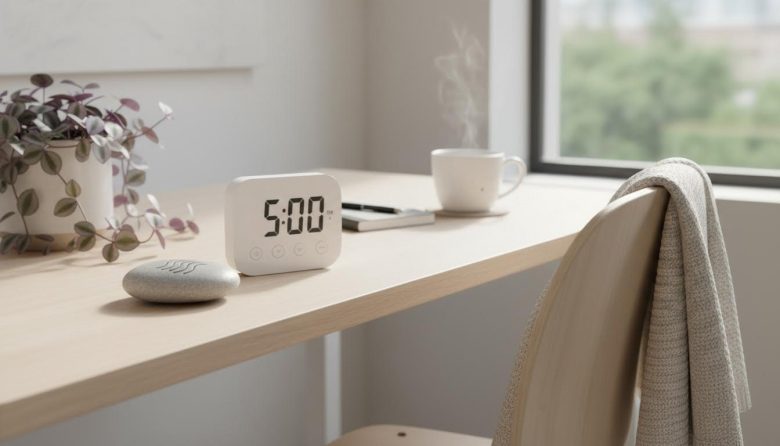
Picture a typical workday morning. Your desk holds a stack of notes, emails ping steadily, and your shoulders carry a quiet tightness from last night’s unfinished thoughts. The breath comes shallow, matching the rush of tasks ahead.
I remember a long team meeting years ago, my mind racing through agendas while my body stayed tense. Then, almost by accident, I noticed my breath—short and held. Softening it right there brought a surprising calm, easing the fog without anyone noticing.
These breathing breaks are gentle pauses, just a minute or two, woven into your day. They settle the mind softly, supporting focus without force. No big changes needed; they fit any schedule, from home office to busy cubicle.
Right now, let your breath settle. Feel it ease in and out, like a slow wave. This simple act invites calm into the workday.
Such pauses help release the day’s subtle pull, creating space for clearer thoughts and lighter steps. Try one today—perhaps after your next task. Be kind if it feels new; the body remembers.
Feeling the Day’s Quiet Pull
Workdays often bring a gentle tug—endless emails stacking up, back-to-back calls leaving little space, or that mid-afternoon slump when focus fades. Your body responds with tight shoulders or a held breath, common signs of the quiet strain.
I once sat through an afternoon heavy with reports, my neck stiff from staring at the screen. The pull felt real, like an undercurrent pulling energy away. Noticing it was the first step to softening.
Breath offers a natural ease here. It flows without effort, settling nerves like a soft breeze through leaves. These moments remind us the body knows how to release, one quiet inhale at a time.
Everyday strains like waiting for a page to load or shifting between tabs invite this pull. A short pause meets it gently, without adding to the list. Feel how breath supports, rather than fights, the day’s rhythm.
Noticing Breath in Small Moments
Start by spotting natural pauses in your day—right after hitting send on an email, or before picking up the phone for a call. These tiny gaps hold space for breath, no clock needed.
Try this guide: Inhale softly for a count of four, hold gently for four, exhale long for six. Let shoulders drop as you release. It takes under a minute, easing tension like warm sunlight on skin.
At my desk one morning, between coffee sips, I tried it. Thoughts quieted, and the next task felt less heavy. No one around knew; it was my quiet reset.
Practice invites noticing without pressure. If the count feels off, just soften the breath—longer out than in works wonders. These moments build calm naturally, one pause at a time.
Over days, you’ll sense breath as a steady friend amid busyness. It supports focus softly, turning small moments into anchors.
Easing into Your Breathing Routine
Building a routine happens gently, without rigid rules. Think of it as four soft check-ins through work hours, each with a short exercise. Use a phone reminder or sticky note as a kind nudge—no apps required.
Track progress lightly, perhaps a evening note: “What felt easier today?” This keeps it pressure-free, celebrating small shifts. Adapt as your day flows; the goal is support, not perfection.
Here’s a simple four-step routine to ease in:
- Morning settle (2 minutes at start): Sit comfortably, feet on floor. Inhale for 4, exhale for 6, five times. Feel the day soften ahead. Habit idea: Pair with your first sip of water; note one calm feeling after.
- Mid-morning release (after first tasks): Stand if possible, hands on desk. Breathe in calm for 4, hold 4, out 8. Release held tension. Reminder: Set for 10 a.m.; whisper “easy” on exhale. Track by smiling if it lightens your step.
- Afternoon soften (post-lunch check-in): Close eyes softly. Circle shoulders back, breathe deeply—inhale space, exhale fog. Two minutes max. Habit: After eating, before emails; reflect quietly on one eased thought.
- End-of-day unwind (gentle close): Before logging off, palms on belly. Slow breaths, noticing three gratitudes. Let the day settle. Idea: Link to shutting down—jot a quick “settled” in your planner.
Each step builds on the last, creating a rhythm like gentle waves. Start with one if four feels much; kindness leads the way.
Soft Ways to Fit Pauses Around Tasks
Pauses slip in easily around daily motions—while the coffee brews, or walking to the printer. These spots need no extra time, just a breath’s notice.
Waiting for a download? Soften breath: In for 3, out for 5, eyes soft. It turns wait into ease. I do this often, feeling the shift mid-stride.
During a quick stretch break, add belly breaths—hand on stomach, feel rise and fall. If a call ends abruptly, exhale long before notes. Be kind if missed; tomorrow holds space.
For busier days, shorten to three breaths. Adapt to your flow, like a short walk blending with a simple daily walk routine for mind clarity. It all supports without strain.
These fits create a web of calm, touching tasks lightly. Notice how breath meets the moment, every time.
Sensing the Gentle Shift
After a few days, shifts appear softly—calmer focus during emails, less rush between meetings. One client shared how afternoons felt lighter, thoughts clearer without force.
I notice it in steadier hands on the keyboard, or easier choices amid options. Breath settles the inner chatter, like mist lifting from a path.
Sense it without apps: Evening reflection over tea—what eased today? Jot loosely, perhaps tying into how to journal for stress release. This keeps awareness gentle.
End-of-day often brings deeper calm, prepping rest. Consider small room changes too, like those in how to improve sleep with room tweaks, to carry the ease home. Shifts build quietly, rewarding patience.
Your body signals progress—a relaxed jaw, even posture. Celebrate softly; it’s unfolding naturally.
Staying Light with Your Practice
Adapt these pauses to your unique day—shorter in meetings, longer on quiet afternoons. No need for perfection; one breath counts fully.
Kindness is key: If forgotten, smile and return. Pick one step for tomorrow, breathe easy through it.
Your practice grows like a steady plant—slow, supported. Feel the lightness it brings.
Simple Answers to Everyday Questions
Can I do these breaks at my desk?
Yes, they take just a minute or two, with eyes closed or open. No one will notice your soft inhale and exhale. Settle right where you are, letting breath ease the space around you without drawing attention. It fits seamlessly into any workspace.
How long should each breathing break last?
Start with 1-2 minutes to feel natural and unhurried. Extend if it supports you, or shorten on busy moments. Listen to your body’s rhythm—there’s no strict timer, just gentle support for your day.
Is this safe if I have breathing concerns?
These practices are slow and gentle, focusing on ease rather than strain. Pause anytime if it feels off, and consult a doctor for personal health needs. Always prioritize your body’s signals with kindness and care.
What if I forget during a full day?
Forgetting is common in busy flows. Use a soft phone note or desk pebble as a reminder. One pause is plenty—build from there without self-pressure, returning lightly next time.
Will this really help my focus?
Many feel clearer thoughts after just a few days of gentle practice. It supports your natural calm, easing the workday’s pull softly. Notice small shifts in steadiness; it unfolds at your pace.